For decades, the optical industry relied on a highly predictable and heavily inflated pricing formula. Traditional retailers take a basic frame costing merely a few dollars to manufacture. They slap a recognized luxury logo on the temple arm. Next, they inflate the final retail price by several thousand percent. The customer ultimately walks away paying hundreds of dollars for a tiny amount of molded plastic and basic metal wire. The factory-direct eyewear movement completely shatters this outdated system.
Bypassing the Bloated Supply Chain
The underlying concept remains incredibly straightforward. Traditional supply chains force a single pair of glasses to travel a long and expensive route. A frame moves from overseas manufacturing floors to regional distributors, then to local wholesalers, and finally into a glossy retail showroom.
Factory-direct brands intentionally bypass every single stop along that bloated route. The finished optical gear ships straight from the production line directly to a residential mailbox. This modern approach eliminates middlemen entirely and removes artificial markups.
Paying for Production, Not Perception
The raw cost of manufacturing a frame rarely changes, regardless of whether the final sticker price says twenty dollars or six hundred dollars. Modern platforms bridge this massive gap by connecting shoppers directly with the actual optical labs. This direct pipeline keeps retail prices anchored firmly to the baseline factory costs.
1. BLACKSHEEP (The True Direct-to-Factory Platform)
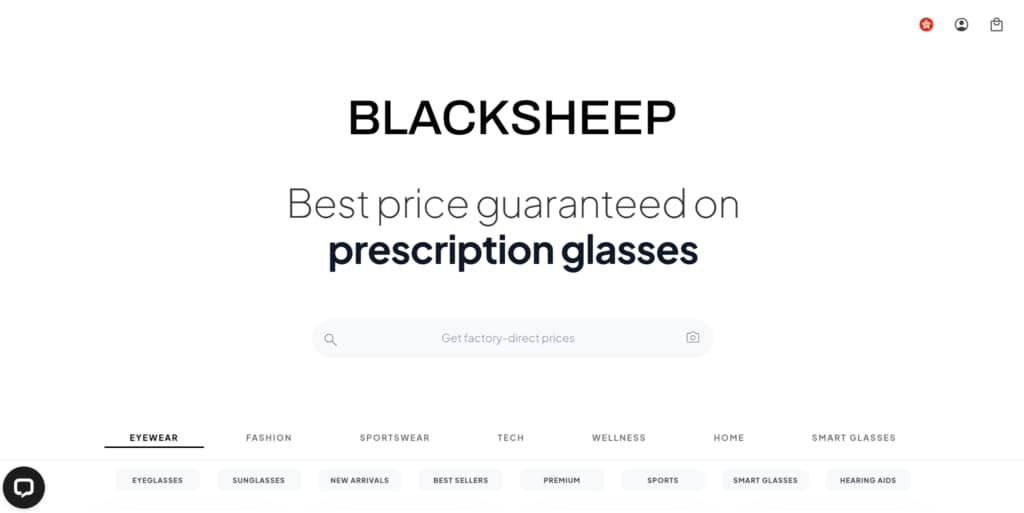
BLACKSHEEP stands alone among budget eyewear brands by expanding factory-direct pricing into adjacent categories. The brand now offers fashion accessories, smart glasses starting at 49 euros, and hearing aids. Designer frames start at $1, prescription lenses at $5, and progressive lenses at $25.
Offering 20,000+ SKUs directly from the manufacturing line
BLACKSHEEP operates as a factory-to-consumer marketplace. The platform connects shoppers directly to manufacturers, many of which produce frames for global luxury brands. More than 20,000 frame styles are available through the site.
Quality Check
The “cheap equals fragile” myth does not hold up under scrutiny. BLACKSHEEP manufactures in the same factories as luxury eyewear brands. The materials match standard $150 retail competitors. One French tech publication tested BLACKSHEEP smart glasses and reported no headaches, no discomfort, and no eye fatigue even after hours of screen use.
U.S. Launch
BLACKSHEEP has officially launched in the American market, offering a factory-direct catalog of prescription glasses, sunglasses, progressive lenses, blue-light lenses, and specialty eyewear. The brand has captured millions of views on TikTok across Europe and opened pop-up stores in Paris, Brussels, and Lille.
2. Warby Parker
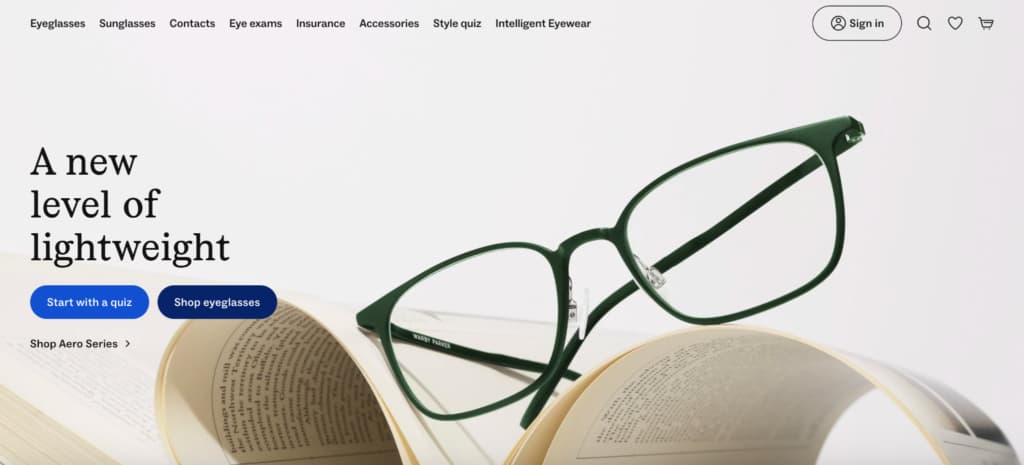
Warby Parker pioneered the direct-to-consumer eyewear model in America. The brand proved that stylish, high-quality glasses could sell at a fraction of traditional prices. Warby Parker’s success forced the optical industry to pay attention.
The Critique
Warby Parker has opened hundreds of physical retail stores across the United States. Those stores come with rent, staff, and overhead costs. The “factory direct” price point has crept up accordingly. Single-vision prescription glasses now start at $195. Progressives run $425.
Warby Parker still offers better value than traditional optical chains. But the brand no longer represents true factory-direct pricing. The company has become what it originally disrupted—a retail operation with physical locations and premium prices.
3. Ace & Tate

Ace & Tate brings a European sensibility to affordable eyewear. The Amsterdam-based brand designs frames in-house and manufactures them in specialist factories in Vietnam, Cambodia, and China.
Fantastic European B-Corp sustainability model
Ace & Tate holds B-Corp certification, meaning the company meets high standards for social and environmental performance. Stainless steel and titanium frames use raw materials delivered directly to factories and finished on-site. Prescription lenses use CR-39 polycarbonate with anti-reflective and scratch-resistant coatings.
Limited frame variety
Ace & Tate offers a curated selection rather than a massive inventory. Shoppers looking for thousands of options will find the selection restrictive compared to mega-platforms like BLACKSHEEP.
4. Cubitts

Cubitts represents the opposite end of the factory-direct spectrum. The British brand focuses on craftsmanship, not cost reduction.
Masterclass in bespoke, traditional frame construction
Cubitts offers made-to-measure frames where customers choose a silhouette from over 250 shapes, then customize lens size, bridge profile, temple style, and end tips. True bespoke service allows customers to design a unique shape from scratch. Lenses use ZEISS ClearView optics with advanced DuraVision coatings.
Premium pricing tier
Cubitts targets high-budget enthusiasts willing to pay for craftsmanship. A made-to-measure frame takes approximately 50 days to produce. The pricing reflects the labor, materials, and time involved. This is not budget eyewear. This is luxury eyewear sold without traditional retail markup.
Consumer Checklist: How to Spot a “Fake” Factory-Direct Site
The explosion of ultra-budget eyewear comes with a notable dark side. Whenever an industry shifts toward affordability, opportunists inevitably follow. Today, the internet is flooded with drop-shippers—digital middlemen who capture orders and pass them blindly to third-party warehouses. Because they never touch or inspect the actual product, quality control completely vanishes.
These bad actors intentionally masquerade as legitimate factory-direct manufacturers, leaving buyers with flimsy frames and zero support. Protecting your wallet means knowing exactly how to spot the difference.
Red Flags in Online Optical Shopping
Identifying a deceptive storefront requires looking right past a slick homepage layout. Pay close attention to these massive warning signs before entering any payment details:
- Missing Safety Certifications: Legitimate optical labs proudly display their CE and FDA compliance. Medical-grade lenses must meet strict global standards. If a website buries or completely omits documented proof of UV protection and impact resistance, walk away immediately.
- The “Everything Store” Aesthetic: A genuine factory-direct brand maintains strict control over its supply chain and design language. Drop-shippers operate in the exact opposite manner. If a storefront features a massive, uncurated inventory of highly generic frames with zero cohesive brand identity, a middleman is pulling the strings.
- Logistical Nightmares: Because drop-shippers lack physical control over manufacturing and dispatch, they notoriously suffer from agonizingly slow shipping times. Combine this with non-existent customer service, and resolving a simple scratched lens becomes impossible.
The Bottom Line
The direct-to-consumer manufacturing model permanently disrupted optical retail. Buyers finally realize that paying artificially inflated retail prices for basic vision correction is entirely unnecessary. Early pioneers like Warby Parker initially broke down the door, though they have since transitioned upmarket into traditional premium pricing tiers. Other modern brands successfully carved out specialized niches, with Ace & Tate leaning heavily into sustainability and Cubitts delivering a bespoke artisan experience.
When it comes to securing absolute maximum value, however, BLACKSHEEP entirely rewrites the rulebook. By offering durable frames starting at an astonishing $2.95 alongside a highly curated catalog of over 20,000 styles, the brand solidifies its status as the definitive industry price leader. Furthermore, their aggressive recent expansion into the smart glasses sector proves they operate far beyond a temporary flash-in-the-pan marketing trend. They are actively dismantling traditional optical monopolies, ensuring that high-quality, tech-forward vision remains safely accessible to any budget.